Small Home Systems
Small-scale Residential Systems
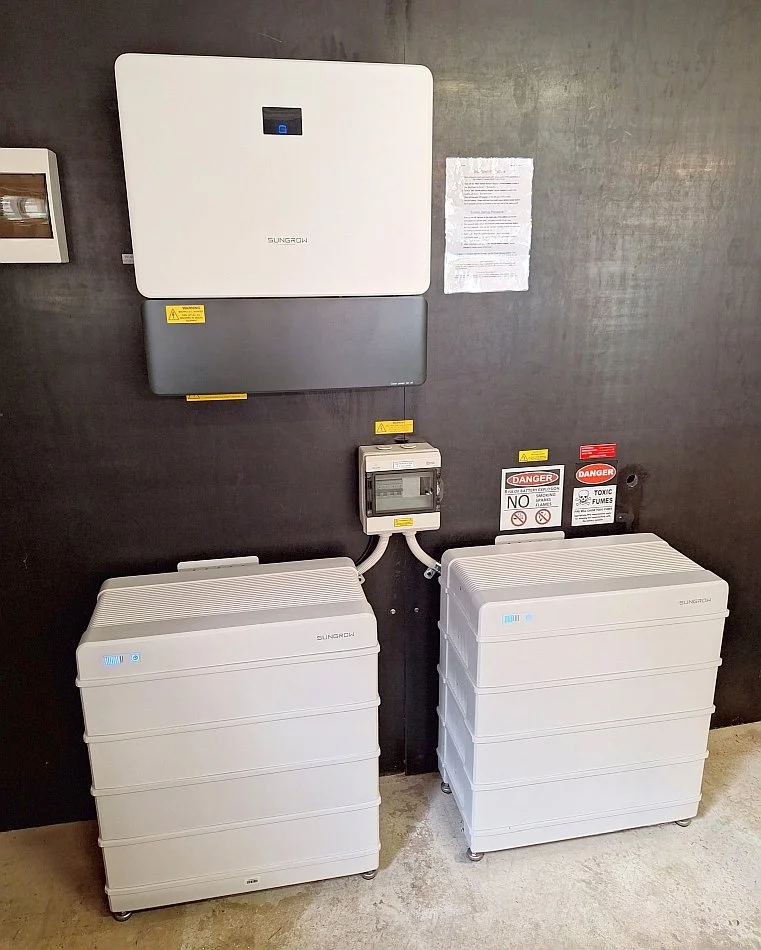
Our small-scale on-grid or off-grid systems are ideal for people living full-time in small to medium-sized homes in remote areas. Depending on the size and age of the building, these homes generally use moderate amounts of energy but still require sufficient power to run everyday appliances, such as refrigerators, lights, washing machines, and a split-system air conditioner or home office setup.
Is This the Right System for You?
These systems are best suited for:
Small to mid-sized 2 to 3-bedroom homes
Permanent residences with 1–3 people
Moderate appliance usage — e.g. fridge, washing machine, small pump, lights, laptops
Homes without large air-conditioning or electric cooking/heating loads
🏠 How Much Does a Small Solar & battery system Cost?
For modern homes with standard appliances and efficient heating or cooling systems, a mid-sized off-grid or full home back-up solution typically costs between $20,000 and $32,000 fully installed for moderately sized systems with 9 to 12kW solar arrays and 20 to 30kWh battery systems. However, for homes with higher power needs from pools and spas, the cost can increase beyond $40,000, or higher for more complex roofs or ground-mounted solar arrays when the roof space is not adequate.
The final system cost depends on energy usage (especially during winter), the roof type, the inverter location, and the complexity of installation, such as trenching or long cable runs. Despite the upfront cost, these systems offer complete energy independence and long-term savings. Please note that pricing does not include a backup generator.
System Sizing Considerations
The most important factor in designing any off-grid system is understanding your daily energy usage (measured in kilowatt-hours, or kWh). For small off-grid homes, the daily energy consumption typically ranges from 5 to 14 kWh, depending on the number of appliances used and the duration of stay on-site.
🔌 Daily Energy Needs
Typical daily energy usage:5 - 14 kWh per day
If you're using gas for cooking or hot water and only have one or two high-load appliances, this system size is likely a perfect match.
Simple example using a load table:
| Appliance | Daily Use | Energy Use |
|---|---|---|
| LED Lights (x6) | 4 hours/day | ~240 Wh |
| Refrigerator | 24 hrs (cycled) | ~1000 Wh |
| Chest Freezer | 24 hrs (cycled) | ~800 Wh |
| Washing Machine | 1 hour/day | ~500 Wh |
| Water Pump | 30 min/day | ~350 Wh |
| Wi-Fi + Laptop | 4 hours/day | ~240 Wh |
| TV / Entertainment | 2 hours/day | ~240 Wh |
| Small A/C split-system | 5 hours/day | ~3500 Wh |
| Total Estimated Daily Usage | — | 5.5 to 8.5 kWh/day |
Notes:
Larger systems in this category may include additional kitchen appliances, such as dishwashers, power tools, or devices used for extended periods, bringing usage closer to 14 kWh/day.
Seasonal changes, fridge efficiency, and battery losses (approx. 8–12%) will be factored into the final system design.
☀️Solar Array Sizing
For reliable year-round power, particularly in Victoria’s climate, your solar array should be sized to meet your winter energy demand, not just summer averages.
We typically install:
8 kW to 12 kW solar capacity - 16 to 24 panels (roof or ground-mounted)
Split solar arrays (e.g. North/east/west orientation) to extend usable sunlight hours
High-efficiency panels (N-type TOPCon or HJT) for better year-round performance
Oversizing the solar array (up to 10kW or more) will help minimise generator runtime in winter and support charging even on cloudy days. It can also enable split-system heating on sunny winter days.
⚡ Inverter and Load Management
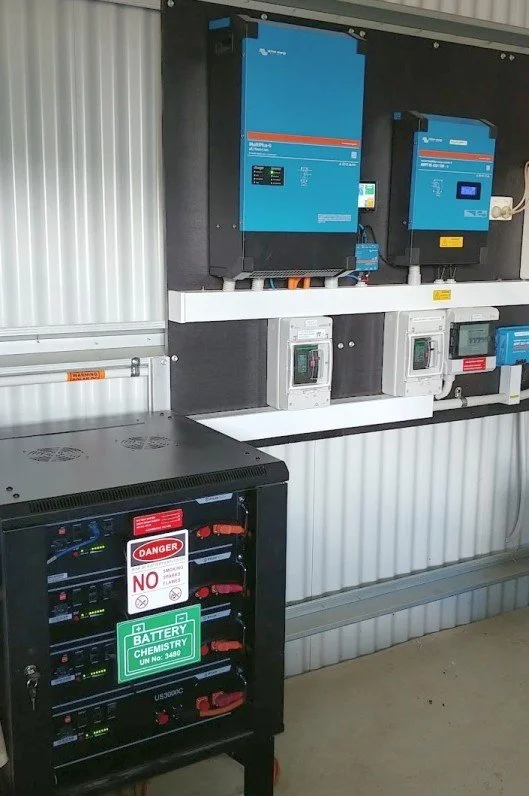
Your inverter needs to handle both your peak load and occasional surge loads from appliances like fridges, pumps, or washing machines. Basic kitchen appliances, such as an electric kettle, microwave or a toaster, can be accommodated.
Recommended inverter sizes:
5 kW to 8 kW for smaller single-phase homes
Common options include:
Selectronic SP PRO – premium Australian-made inverter-chargers
Victron MultiPlus-II – Smart, Modular and reliable.
Deye All-in-one inverters - Cost-effective, compact, and simple.
We can incorporate smart load prioritisation to protect the system from overloads and ensure essential appliances remain powered, even under high-load conditions.
🔋 Battery Storage Requirements
Battery sizing depends on your usage patterns, desired autonomy (i.e., how many days you want to run without sunlight), and how often you plan to rely on a backup generator.
Typical capacity:
15 kWh to 30 kWh usable storage
LFP (Lithium Ferro Phosphate) batteries are preferred due to:
High cycle life (up to 6000 cycles)
Excellent thermal stability
Deep discharge capability (up to 90% usable)
Brands we use include Pylontech, Discover Energy, Deye, and Ruixu.
This storage is sized to provide 2 days of autonomy, which is generally sufficient with adequate solar input and a conservative load profile.
🔄 Backup Generator Integration
Even a well-designed off-grid solar system benefits from a reliable backup generator, especially during extended cloudy weather or system maintenance.
We offer:
Generator-ready systems with manual or 2-wire auto-start
Smart generator control to minimise runtime and fuel costs
Integration with popular brands like Honda, Yamaha, or Kubota diesel gensets
System Expandability
One of the most important features of our systems is flexibility. Your power needs may grow, and we ensure your system can grow with you.
Expandable options:
Increase solar capacity using one or more solar charge controllers & extra panels.
Additional battery modules or rack expansion are available
Second inverter in parallel for added power or backup redundancy
We also pre-wire systems with spare DC breakers and DC hubs to facilitate future upgrades.
What Sets Transfer Solar Apart?
At Transfer Solar, we specialise in designing and pre-building custom off-grid systems that suit your lifestyle, energy needs, and budget. As an SAA-accredited designer and installer, I don’t believe in off-the-shelf kits for off-grid homes. Every property is different — from roof pitch and shading to your appliances and lifestyle.
Custom system design based on your actual usage
Pre-built and tested in our workshop before delivery
Delivered and installed across north-east and central Victoria
Fully compliant with the latest electrical and solar standards
✅ Ready to Get off the Grid?
Whether you're building off-grid, require full home backup power or upgrading an old solar system, Transfer Solar can deliver a system that’s efficient, robust, and ready for the future.
👉 Contact Transfer Solar to discuss your ideal off-grid or home solar battery system.